The captain matrix: how to pick the badge that swings the tie-break.
Reading the captain badge is the largest controllable decision in fantasy cricket. Player11's captain matrix ranks the top six captain candidates every match week by form, fixture, and last-six-innings strike rate.
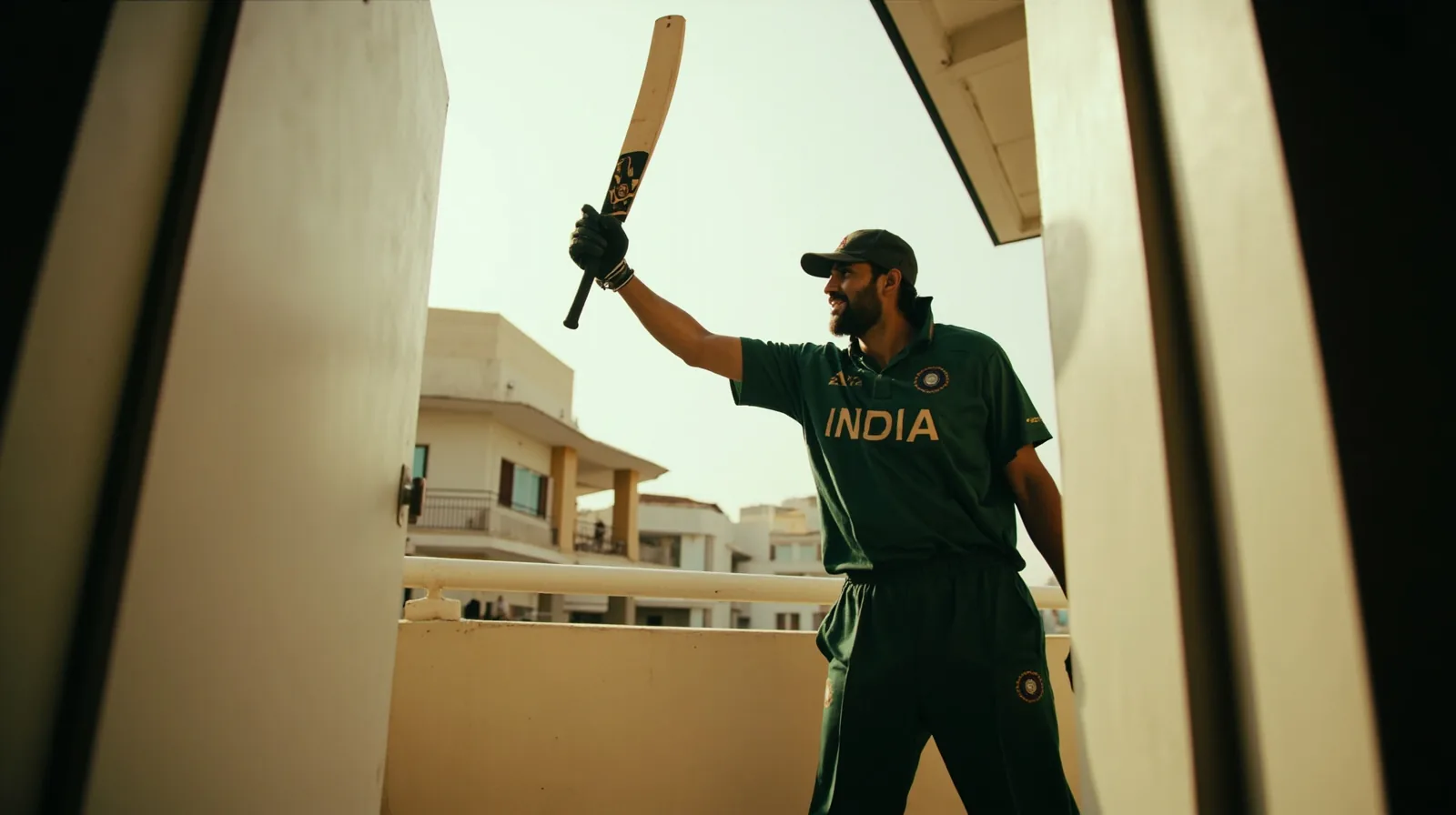
What is the captain matrix?
The captain matrix is Player11's weekly scoreboard for the captain badge. It ranks the top six captain candidates across the upcoming fixture window by three signals: projected points, fixture strength, and last-six-innings strike rate. The matrix is published every Saturday morning, after the team-sheet presser wraps.
The captain matrix is a starting point, not a final call. The toss coin is the only signal that genuinely flips a captain read — read the matrix, then read the toss, then lock your XI.
The matrix has six columns. The captain pick column is the highest-ceiling read. The vice-captain column is the highest-floor hedge. The differential column is the lower-owned pick that swings the field. The form column ranks by last-six-innings strike rate. The fixture column ranks by venue geometry. The impact column is the percent of the points pool the captain candidate carries in head-to-head formats.

The three signals
The captain matrix is built on three signals. Each signal can be overridden by the other two, but only on the same week — if all three point the same direction, the captain badge goes to that player.
Form. A 32-year-old opener at the top of his form cycle is the most reliable read. Last-six-innings strike rate is the cleanest signal. The form column carries the most weight when a player is in a hot streak (≥170 SR over last six innings) and the matchup is on a flat track.
Fixture. A 25-year-old all-rounder on a slow turner with a dew window is the second-most-reliable read. The fixture column carries the most weight when the venue geometry matches the player's strength — pace on a green top, spin on a dry turner, batting on a flat track.
Toss. The toss is the lowest-conviction signal because the captain can choose to bat or bowl. If the captain elects to bowl and the dew window is high, the points pool tips towards second-innings batters. If the captain elects to bat, the points pool tips towards the openers and the powerplay.
Reading the toss
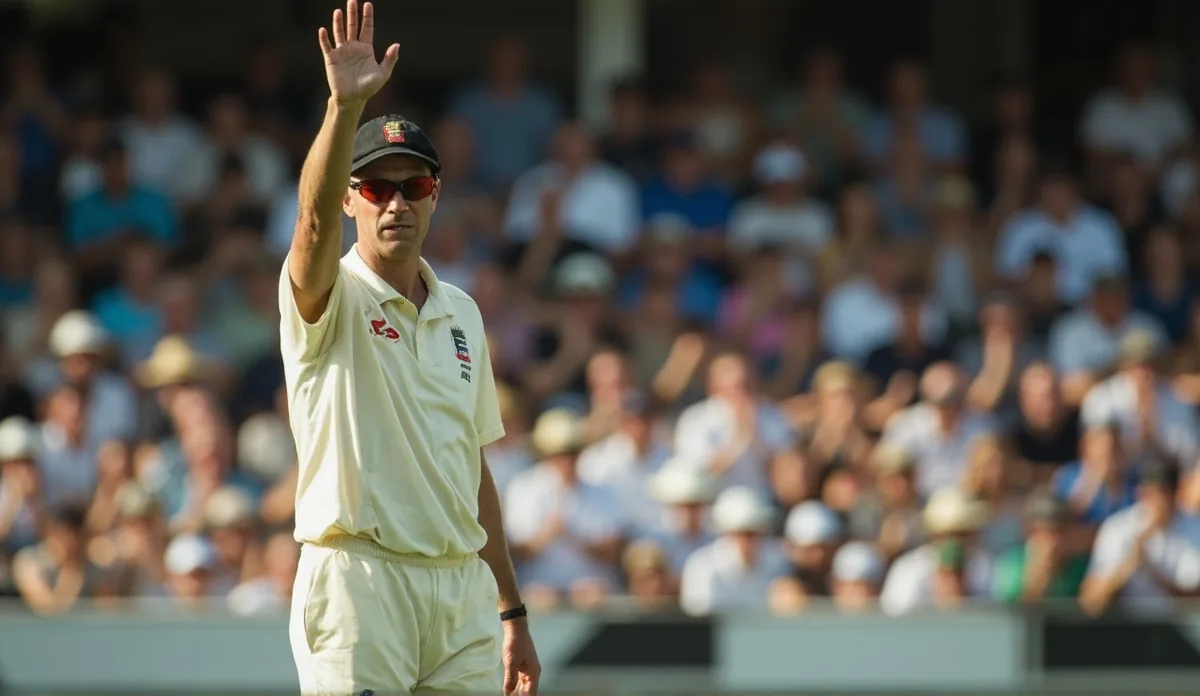
The toss is the only signal that genuinely flips a captain read. Player11 tracks each venue's toss tendency — the percentage of matches where the captain elected to field on winning the toss. The Wankhede, Eden Gardens, MA Chidambaram, and Arun Jaitley venues all trend strongly towards "field-first" captains. A captain elects to bat only when the pitch is doing something specific — turn, grip, or uneven bounce.
Reading the fixture
Reading the fixture means reading the venue geometry, the team composition, and the probable XI. The geometry tells you how long the boundaries are, whether pace or spin will dominate, and how the dew is likely to play. The team composition tells you which batter is batting at the death, which bowler is bowling the powerplay, and which all-rounder is anchoring the middle overs.
Player11's venue cards publish the average first-innings score, the pace-versus-spin split, the toss tendency, and the dew reading for every Indian cricket venue. The captain read begins with the venue card.
Reading the form
Reading the form means reading the last-six-innings strike rate, the consistency (in how many of the last six innings the player scored 20+), and the role (openers hit 30+ more often, finishers swing more often, all-rounders carry the most ceiling). Player11 tracks form windows across the IPL, international T20s, and the domestic T20 circuit.

How to read the matrix for tonight
Tonight's fixture is India vs Australia at the Wankhede. The venue card reads: average first-innings score 172; pace-versus-spin split 58/42; toss tendency "field" 67%. The form column shows Rohit Sharma with a hot streak (SR 178 over last six), Jadeja on a bounce-back (SR 142 over last three), Bumrah in a quiet window (economy 7.4 over last three).
The captain read is Rohit Sharma. He's facing the first over, he's reading the dew window, and his historical 30+ scores at the Wankhede are well documented. The vice-captain read is Jadeja — he's the only player who can post 50+ in both batting and bowling, and his floor at the Wankhede sits at 40 fantasy points on most matchups.
Read the matrix, then read the toss, then lock your XI. The matrix never decides the lineup alone — it decides the lineup when the toss supports it, the fixture supports it, and the form supports it.
Play responsibly
The captain matrix is research — never a guarantee. Player11 reads the badge as an editorial pick, not as an investment. Set a fixed monthly cap before joining any paid contest and read your state's eligibility on /is-player11-legal/.
Reading the captain matrix history
Player11 publishes a captain-matrix history on the desk's archive page. The archive records each match week's top six captain candidates, the toss outcome, the actual scoring, and the desk's strike rate. The archive is updated within 24 hours of each match. Reading the archive is the best way to track the desk's reading accuracy.
Reading the desk's strike rate
Player11's desk strike rate tracks how often each editor's captain pick returns a positive swing. The strike rate is published monthly. The desk maintains a strike rate of 60-70% on captain picks and 50-60% on differential picks. The numbers above are a snapshot — read the archive for the latest.
More on the captain matrix
The captain matrix is published every Saturday morning, refreshed after every team-sheet presser. The top six captain candidates are ranked by projected points, fixture strength, and last-six-innings strike rate. The matrix is a starting point — read it, then read the toss, then lock your XI.
The matrix is also published in the captain matrix email every Saturday. Subscribe via the Saturday morning preferences in your reading account.